
Environmental responsibility in the supply chain
Our part is to source and move petroleum with as little waste as the trade allows, and to work with operators who take the same care.
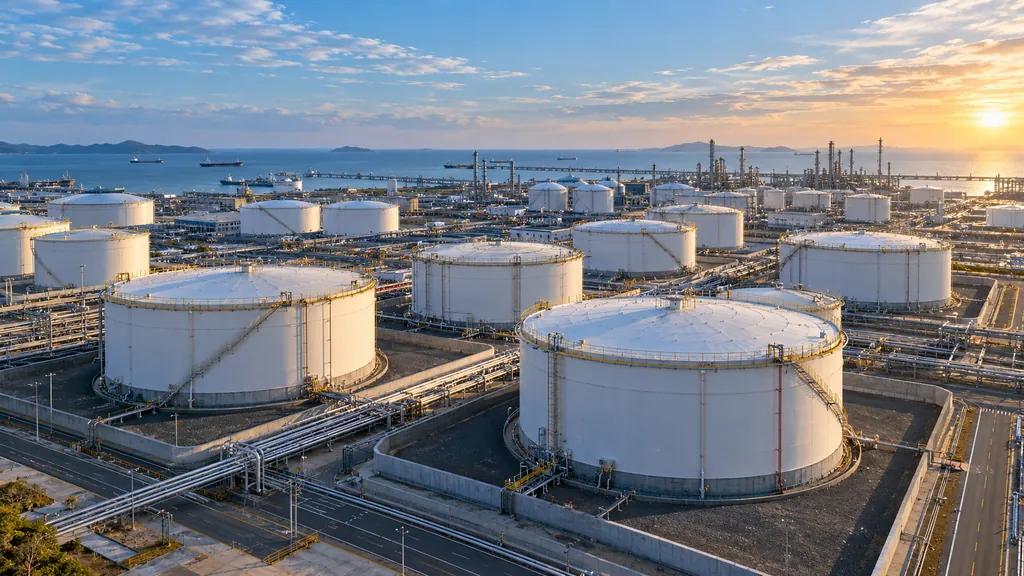
Where our influence sits
An intermediary does not run the tanks or the ships. It chooses who does, and it plans how the cargo moves between them.
Partner selection
We work with terminal operators and carriers who are qualified for the product and subject to the environmental rules of their trade.
Efficient logistics
Planning storage and shipping together cuts waiting time at berth, repeat handling and unnecessary movements.
Product integrity
Careful coordination of transfers reduces the risk of contamination and loss, which are waste in their plainest form.
The rules that govern the operators
Ships carrying oil work under the MARPOL convention of the International Maritime Organization, which sets rules for preventing pollution at sea. Terminals work under the environmental law of the country where they stand.
Those rules bind the operators directly. Our responsibility is to choose partners who meet them and to plan each movement so that they can.
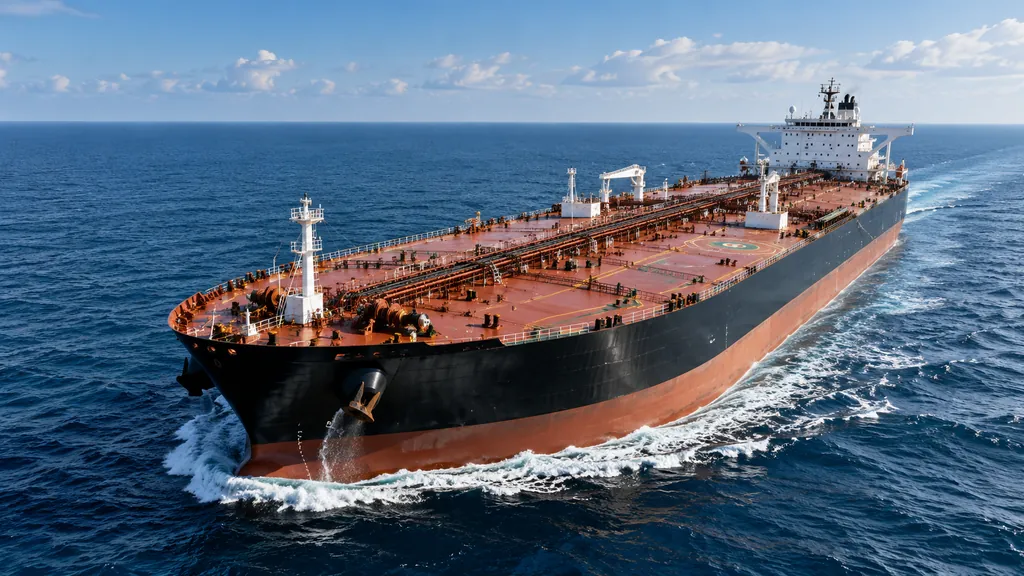
A balanced approach supports economic growth while respecting environmental responsibilities.