
Crude Oil
Crude is bought by refineries against a grade, a loading window and a benchmark-linked price. We source cargoes for refiners and trading buyers and coordinate each step to delivery.
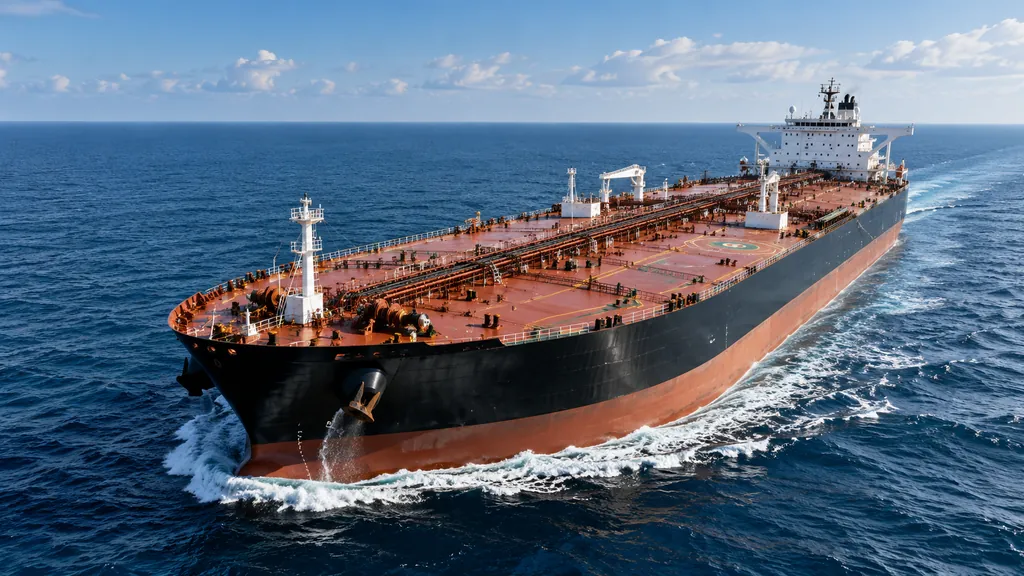
No two crudes are the same
Every oilfield produces a crude with its own density, sulfur level and mix of hydrocarbons. A refinery is built to run a certain range of them, so a buyer starts from the grade its units can process and the products it wants to make.
Price follows quality. A light, low-sulfur crude yields more gasoline and diesel with less processing and sells at a premium. Heavier, higher-sulfur grades sell at a discount to refineries equipped to upgrade them.
- Product type
- Unrefined petroleum
- Sold by
- The barrel: 42 US gallons, about 159 liters
- Priced against
- Brent, WTI or Dubai, plus or minus a differential
- Typical buyers
- Refineries and trading companies
- Carried in
- Crude oil tankers
How a crude is described
| Property | Reference | Why it matters |
|---|---|---|
| API gravity | Light above 31.1°, medium 22.3° to 31.1°, heavy below 22.3° | A measure of density. Lighter crudes give a higher yield of transport fuels. |
| Sulfur content | Sweet below about 0.5% by weight, sour above | Sulfur must be removed to make clean fuels, so sweet crude costs less to refine. |
| Total acid number | Reported in mg KOH per gram | High-acid crudes corrode refinery equipment and need suitable metallurgy. |
| Pour point and viscosity | Reported by temperature and in centistokes | They decide whether a cargo needs heating to be stored and pumped. |
| Water and sediment | Measured at loading | Deducted from the gross volume to give the net quantity invoiced. |
| Crude assay | Full laboratory analysis | Shows the yield of each product cut. Refiners use it to value a grade. |
Class boundaries follow common industry usage. The assay and the sales contract define the grade actually delivered.
Three benchmarks price most of the world's crude
Brent
A light, sweet North Sea blend. It is the reference for most crude traded by sea.
West Texas Intermediate
A light, sweet United States crude priced at Cushing, Oklahoma. It is the main reference for the Americas.
Dubai and Oman
Medium, sour grades. They are the reference for Middle East crude sold into Asia.
Storage and shipping
- Cargo sizes. An Aframax tanker carries roughly 600,000 to 750,000 barrels, a Suezmax about 1 million and a VLCC about 2 million.
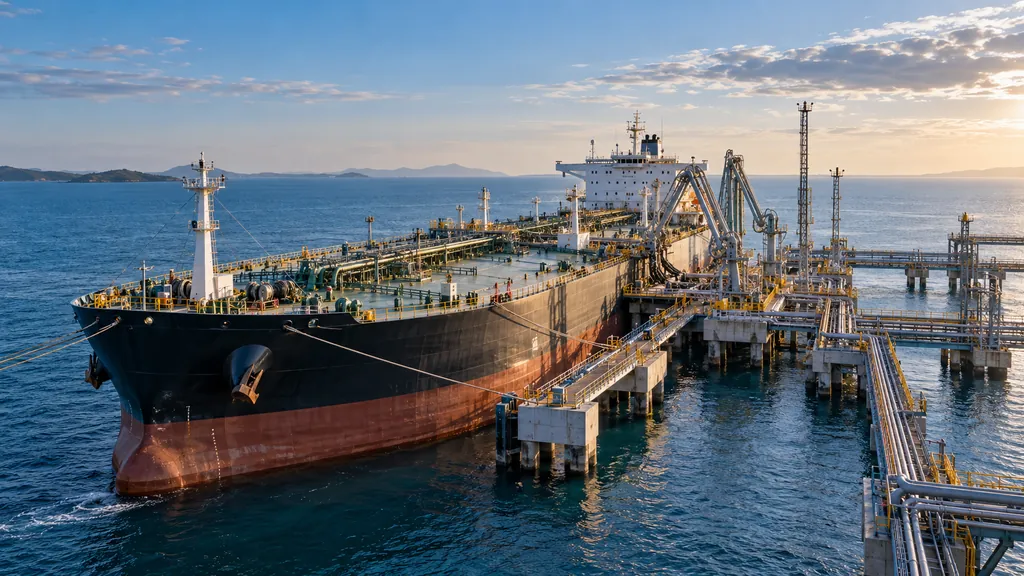
- Loading. Crude moves from shore tanks to the vessel through the terminal's jetty. Quantity is measured on shore and on board.
- Inspection. An independent inspector normally certifies quantity and quality at the loading port.
- Heating. Waxy and heavy grades may need heated tanks ashore and at sea.
Storage and transport are provided by third-party terminal operators and carriers. We coordinate them. How storage and shipping are arranged
What to send with your enquiry
- Grade, or the quality range you can accept (API gravity and sulfur)
- Quantity per cargo and the number of cargoes
- Pricing basis: benchmark and pricing period
- The refinery or end user the crude is for
- Destination port or terminal and preferred Incoterm
- Loading or delivery window
Send these details and we will tell you whether we can source the product and on what terms. Price, quantity and specification are fixed in the sales contract.