
Methanol
Methanol is one of the most widely traded bulk chemicals. It is a building block for plastics, resins and fuels, and is gaining ground as a marine fuel.
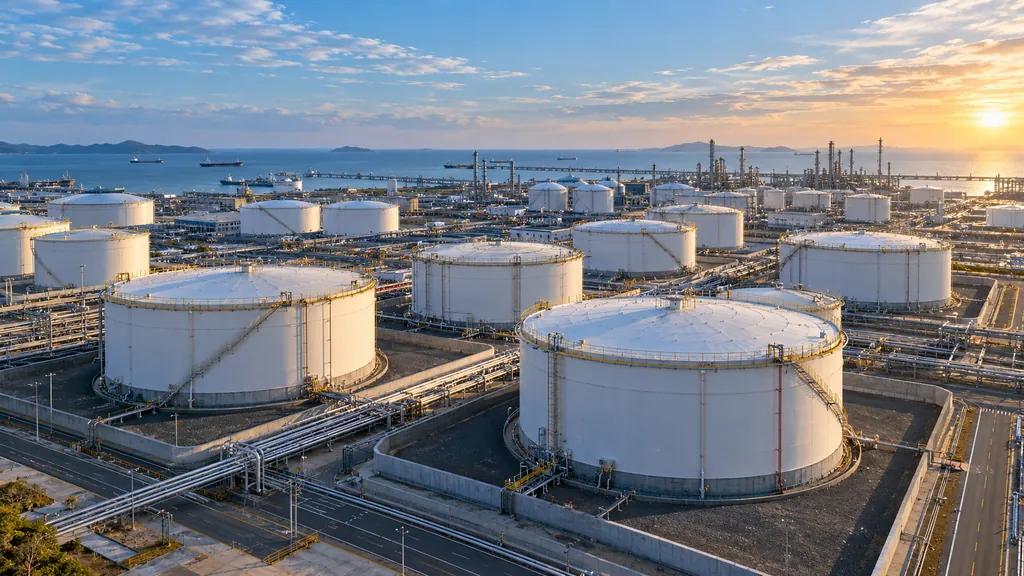
Made from gas, used everywhere
Most methanol is made from natural gas, and in China from coal. Producers turn it into formaldehyde, acetic acid and olefins, blend it into gasoline, and use it to make biodiesel and MTBE.
Trade runs on one reference specification, published by the International Methanol Producers and Consumers Association. Cargoes are tested against it at loading and again at discharge.
- Product type
- Bulk liquid chemical, CH₃OH
- Governing standards
- IMPCA Methanol Reference Specifications; ASTM D1152
- Sold by
- The metric ton
- Typical buyers
- Chemical producers, fuel blenders and biodiesel plants
- Carried in
- Chemical tankers with coated or stainless-steel tanks
What the IMPCA specification requires
| Property | Reference | Why it matters |
|---|---|---|
| Purity | 99.85% by weight minimum, on a dry basis | The headline figure of the grade. |
| Water | 0.100% by weight maximum | Methanol absorbs moisture, so water shows how a cargo was handled. |
| Specific gravity at 20 °C | 0.791 to 0.793 | A quick check that the product is uncontaminated. |
| Acetone | 30 mg/kg maximum | Harms catalysts in downstream chemical plants. |
| Chloride | 0.5 mg/kg maximum | Signals seawater or previous-cargo contamination and causes corrosion. |
| Sulfur | 0.5 mg/kg maximum | Poisons catalysts. |
Limits are those published in the named standards, given for reference. The specification written into the sales contract governs.
How it is sold
Chemical-grade methanol
Methanol meeting the IMPCA reference specification, used as feedstock.
ASTM D1152 methanol
The United States specification, with purity of 99.85% by weight.
Fuel methanol
Methanol supplied for blending or as marine fuel, to a specification agreed with the buyer.
Storage and shipping
- Vessels. Methanol ships in chemical tankers, in parcels from a few thousand tonnes to about 50,000.
- Tank preparation. Tanks are cleaned and inspected before loading. Small residues of an earlier cargo can put methanol off specification.
- Safety. Methanol is toxic and highly flammable, with a flash point of about 11 °C. It is handled under the rules for hazardous bulk liquids.
- Inspection. An independent inspector normally samples and certifies the parcel at the loading port.
Storage and transport are provided by third-party terminal operators and carriers. We coordinate them. How storage and shipping are arranged
What to send with your enquiry
- Specification: IMPCA, ASTM D1152 or your own
- End use: chemical feedstock, blending or fuel
- Quantity in tonnes and how often you need it
- Destination port or terminal and preferred Incoterm
- Delivery window
Send these details and we will tell you whether we can source the product and on what terms. Price, quantity and specification are fixed in the sales contract.